
Building a garage, workshop, storage space, or even a barndominium is a big investment. For many homeowners and rural property owners, DIY metal building kits offer a way to save money without sacrificing durability. But how much can you really save and what extra costs should you expect?
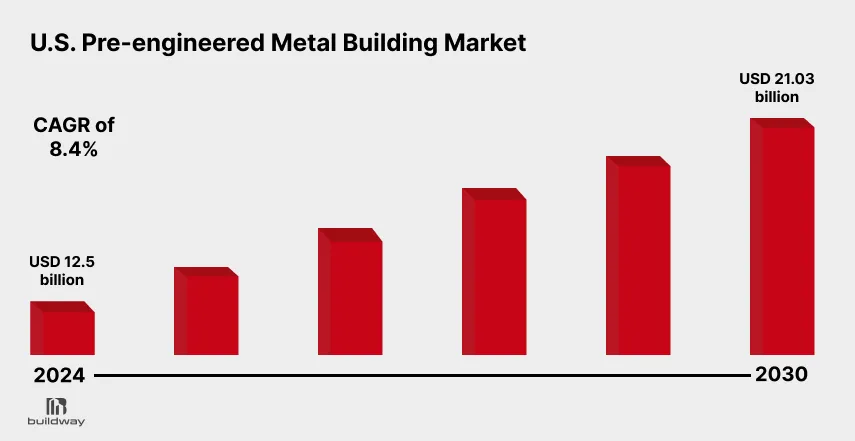
The U.S. pre-engineered metal building market was valued at around $13 billion in 2024 and is projected to grow by 8.4% annually through 2030. A large share of that growth comes from DIY-friendly kit sales, fueled by rising demand for garages, barns, workshops, and storage buildings.
Our goal is to give you clear, honest information so you can make the best decision for your budget, skills, and timeline. In this blog, we’ll cover what’s included in a DIY metal building kit, how it compares to hiring a contractor, where the real savings are, and when going the DIY route makes sense and when it doesn’t.
What Is a DIY Metal Building Kit?
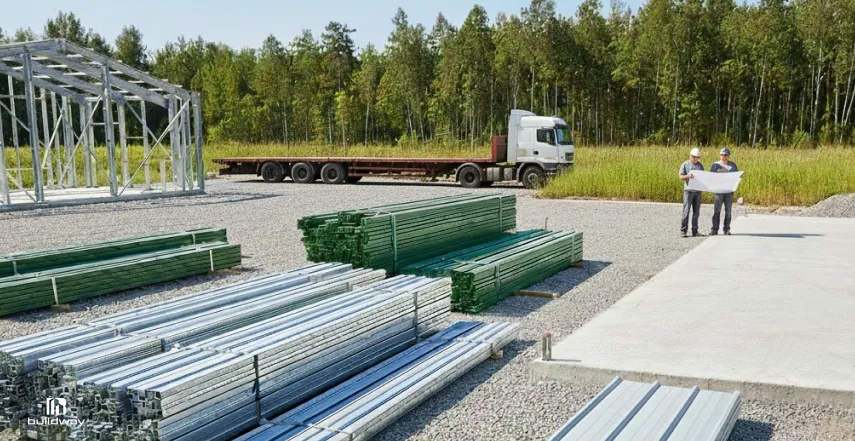
A DIY metal building kit is a prefabricated steel building package designed to be assembled by the buyer or a small crew. These kits are popular for garages, workshops, farm buildings, storage units, and even residential-style barndominiums.
Instead of buying raw materials and cutting everything on-site, you receive pre-engineered components that fit together using detailed instructions. This approach reduces waste, speeds up construction, and lowers labor costs.
What’s Included in a Metal Building Kit
Most DIY metal building kits include:
- Pre-cut steel framing (columns, rafters, and beams)
- Steel wall and roof panels
- Fasteners, screws, and trim
- Engineered drawings and assembly instructions
Everything is designed to work together, which makes the build more predictable and efficient than starting from scratch.
What’s NOT Included (Common Surprise Costs)
This is where many first-time builders get caught off guard. DIY kits usually do not include:
- Foundation or concrete work
- Permits and local inspections
- Site preparation (grading, clearing, leveling)
- Equipment rentals (lifts, forklifts, scaffolding)
These costs can add up, so it’s important to budget for them early.
DIY Metal Building Kit Cost vs Full-Service Construction
To get a clear picture of how much you can actually save with a DIY metal building kit, it’s important to compare it not just to the materials cost but to the full price of a professionally installed, turnkey metal building. That means factoring in labor, equipment, permits, and other services that come with a contractor-managed project.
- Average DIY Kit Cost Per Square Foot: For the kit alone, most DIY metal building kits cost $10–$30 per square foot. The final price depends on building size, steel thickness, roof style, and customization.
- Fully Installed Metal Building Costs: When you hire a contractor for a turnkey metal building, prices usually range from $24–$43+ per square foot. This includes labor, project management, and installation but also higher overhead costs.
Where the Savings Actually Come From
DIY savings mainly come from three key areas:
- Eliminating labor costs: By doing the work yourself, you avoid paying for professional installation, which often accounts for a significant portion of the total project cost.
- Reducing material waste: When you’re directly involved in the build, you’re more likely to use materials efficiently and avoid the over-ordering or waste that can happen with larger crews or contractors.
- Avoiding contractor markups: Contractors typically add a markup on materials and services. Purchasing your own kit and managing the project yourself helps you bypass these additional costs.
If you’re willing to trade time and effort for savings, DIY can make a big difference.
Real Savings Breakdown for DIY Builders
Let’s take a closer look at the main areas where DIY builders save the most money, whether it’s by cutting out expensive labor, reducing material waste, or avoiding contractor markups. Understanding these savings can help you see the full financial benefit of taking the DIY route and decide if it’s the right fit for your project.
1. Labor Cost Savings (The Biggest Win)
Labor is often 30–50% of a full-service metal building project. By assembling the building yourself, you can potentially cut total project costs by thousands or even tens of thousands of dollars.
2. Material & Waste Reduction
Prefab metal kits are engineered to exact measurements. That means:
- Less leftover material
- Fewer mistakes
- Better overall efficiency
This helps keep costs predictable.
Faster Build Timeline: DIY builders can work on their own schedule. With fewer delays and less coordination, many projects finish faster than traditional builds, reducing rental and equipment costs.
Real-World DIY Metal Building Kit Prices
Below is a general breakdown of estimated kit costs for different types and sizes of metal building projects. Keep in mind, these figures cover the basic kit only: foundation, insulation, interior finishes, and local code requirements can significantly affect the final total.
1. Budget-Friendly & Small Projects
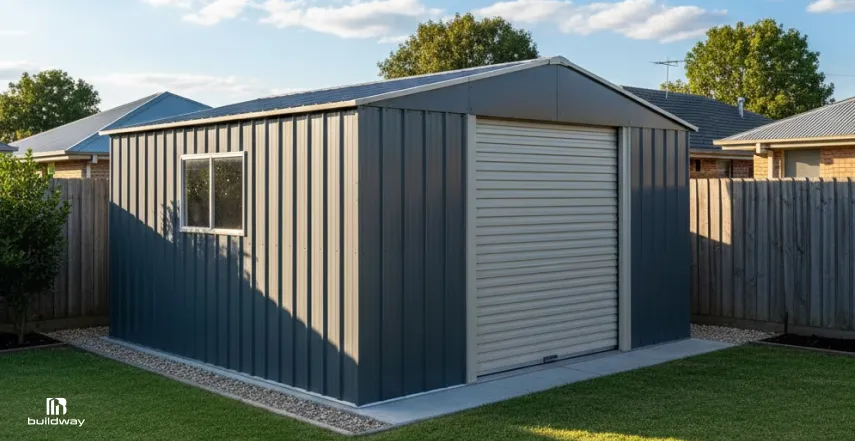
These are ideal for basic storage, personal use, or small-scale needs. They’re affordable, quick to assemble, and perfect for first-time DIY builders.
Common uses include:
- Small one-car garages
- Garden or tool sheds
- Quonset-style huts (arched, prefabricated structures)
Estimated kit cost: $5,000 – $12,000
2. Mid-Size Garages & Workshops
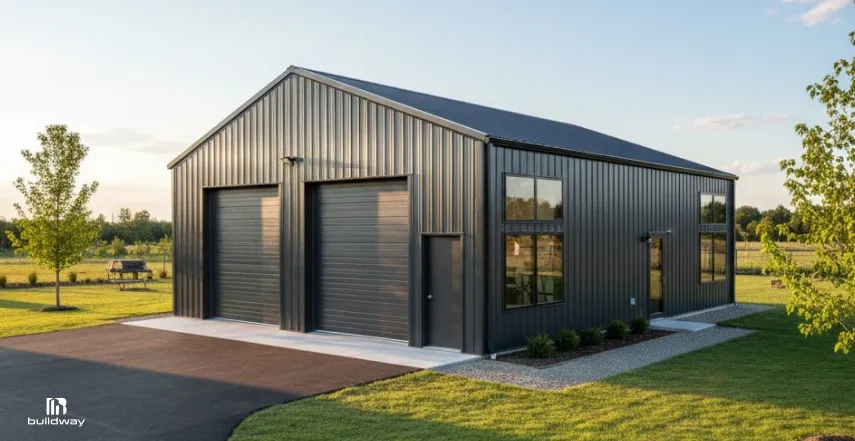
This category covers some of the most popular sizes for homeowners, hobbyists, and small businesses. These structures offer more flexibility for storage, workspace, or even light commercial use.
Typical sizes:
- 30×40
- 30×60
- 40×100
Estimated kit cost: $12,000 – $30,000
3. Large or Specialty Builds
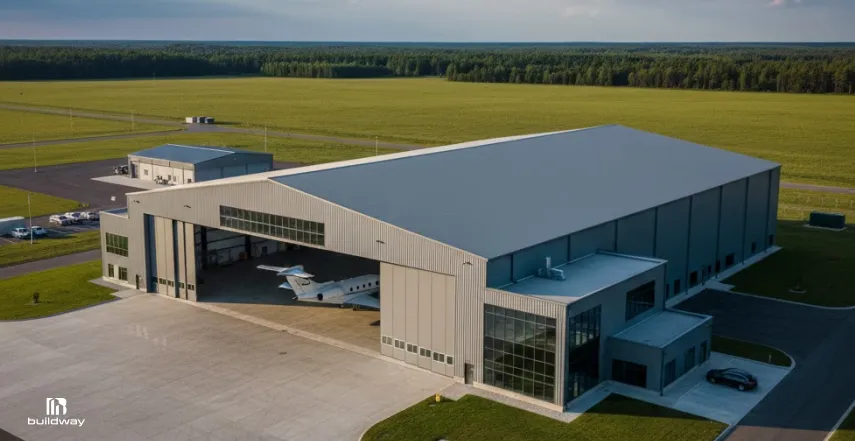
These higher-budget kits are suited for large residential or mixed-use buildings. They often include more complex layouts or structural requirements.
Common types:
- Barndominiums (residential + workspace)
- Large shops or multi-purpose garage/workshop combos
Estimated kit cost: $30,000 – $70,000+
Note: Final costs can rise significantly based on interior build-out, insulation, utilities, and permitting.
Actual totals will vary based on your location, design choices, and how much of the build you complete yourself. Always get multiple quotes and factor in all potential costs, not just the kit before making a decision.
Costs DIY Builders Often Forget to Budget For…?
While DIY metal building kits can significantly reduce your overall project cost, many first-time builders overlook a few important expenses that aren’t included in the kit price. These additional costs can sneak up quickly if you’re not prepared and they can impact both your budget and your timeline.
In this section, we’ll highlight some of the most commonly forgotten expenses DIY builders run into, so you can plan ahead and avoid any costly surprises.
- Foundation & Site Prep: Concrete slabs, piers, or foundations are often the single biggest extra cost. Prices vary based on soil, location, and building size.
- Permits, Engineering & Inspections: Most areas require permits and inspections. Some locations also require stamped engineering plans.
Tools, Equipment & Extra Help
Even though DIY kits are designed for self-installation, some tools and equipment are essential and often overlooked in the initial budget. Depending on the size and complexity of your build, you may need to rent or borrow items that aren’t typically found in a standard home toolbox.
You may need:
- A lift or forklift to position heavy steel components
- Safety gear such as harnesses, hard hats, and gloves
- Occasional professional help, especially for tasks like roofing or structural framing
While these costs are temporary, they can still have a noticeable impact on your budget especially if rentals are needed over several days or weeks.
Is a DIY Metal Building Kit Worth It?
Now that you’ve seen the potential savings and extra costs, it’s time to ask the big question: is a DIY metal building kit the right choice for you? It really comes down to your budget, available time, and comfort with hands-on work.
When DIY Makes Sense?
A DIY metal building kit can be a smart choice if you’re looking to cut costs and have the time and ability to manage the project yourself. It’s best suited for those who are comfortable handling tools and willing to learn along the way.
DIY is a good fit if you:
- Have basic construction or carpentry skills
- Can work on a flexible, self-paced timeline
- Want to maximize savings by handling labor and project management yourself
When Hiring Pros Is Smarter?
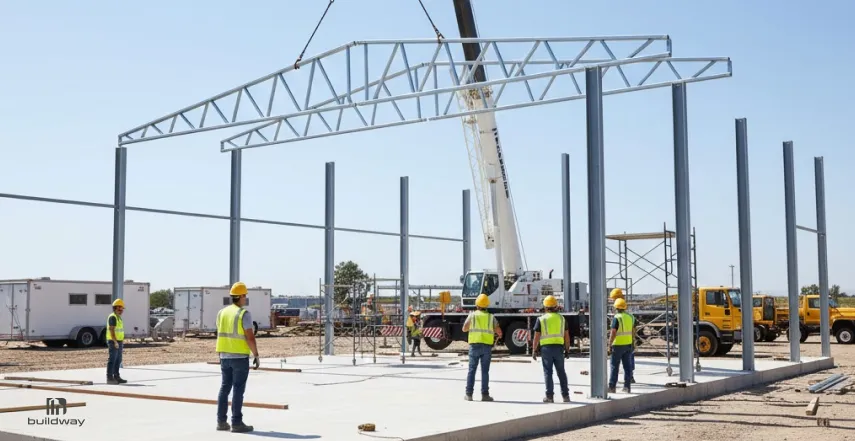
In some cases, going fully DIY may not be practical or safe. Larger, more complex buildings often require specialized tools, experience, and more manpower than a typical homeowner can provide.
Professional installation may be the better option if:
- The building is very large, tall, or structurally complex
- The roof pitch or panel size makes handling difficult
- Safety risks (e.g., working at height or lifting heavy steel components) are high
Consider a Hybrid Approach: For many people, the best path lies somewhere in between. A hybrid approach doing most of the work yourself but bringing in professionals for the most technical or dangerous parts can offer the perfect balance of cost savings and peace of mind.
Pro Tips Before Buying a DIY Metal Building Kit
Before you place an order for a DIY metal building kit, a bit of upfront planning can save you time, money, and major headaches down the line. From legal requirements to site prep and safety considerations, here are a few key things to check off your list first:

1. Check local building codes and permitting requirements: Every city or county has different zoning laws and building codes, and most will require a permit even for DIY metal buildings. Always confirm what’s allowed on your property before you order, or you risk delays, fines, or even having to remove the structure.
Need help? Read our full guide: What Permits Are Usually Required for a Steel Building? for everything you should know before breaking ground.
2. Plan your foundation before ordering: Your foundation isn’t something to figure out after your kit arrives. It needs to match the building’s specs exactly down to anchor points and dimensions. Getting it wrong can lead to costly delays or structural issues.
Not sure where to start? Check out our complete Metal Building Site Preparation Guide to get your site ready the right way.
3. Compare factory-direct vs. third-party pricing: Buying directly from the manufacturer can sometimes save money and ensure better support. However, third-party dealers may offer bundles or financing options. Always compare quotes, read reviews, and verify what’s included in the package.
4. Prioritize roof safety and weatherproofing: The roof is often the most challenging and dangerous part of the build. Make sure you have the right safety equipment and plan your install with weather in mind especially wind, rain, or snow that could delay or damage your build.
Pro tip: Good planning upfront doesn’t just prevent mistakes, it can save you thousands in unexpected costs and delays.
Conclusion
DIY metal building kits can offer real savings but only if you understand the full picture. The kit price is just one part of the total cost. When planned properly, DIY can be a smart, cost-effective way to build a strong and durable structure that fits your needs.
If you’re considering a project, start with a clear budget, realistic expectations, and a solid plan. That’s how successful DIY builders get the best results and avoid costly surprises.
Ready to Get Started?
Check out BuildWays’ Clearance Page for discounted metal building kits available right now. Perfect for saving even more on your project.
Need help choosing the right kit or understanding your options? Get a Quote or Contact Us to speak with our team. We’re here to help you build smarter, safer, and more affordably.
Frequently Asked Questions
1. Can I erect a metal building myself?
Yes. Many homeowners successfully assemble metal building kits themselves. If you have basic tools, a few helpers, and some patience, DIY construction is entirely possible, even for first-timers.
2. Do I need a building permit for a metal building?
In most areas, yes. You’ll typically need a permit to build a metal structure, even on private property. Always check with your local building department before you order or begin construction.
3. How long does it take to build a DIY metal building?
It depends on the size and complexity. Small buildings may take just a few days to complete. Larger or more detailed projects can take several weeks, especially if you’re working on weekends or evenings.
4. What tools do I need for a DIY metal building kit?
You’ll need common construction tools, such as:
- Cordless drill or impact driver
- Socket set and wrenches
- Screwdrivers and tape measure
- Ladders or scaffolding
- Safety gear (gloves, harness, eye protection)
- Lifts or forklifts for larger buildings
5. Are DIY metal buildings cheaper than traditional construction?
In most cases, yes. DIY kits can be significantly more affordable than traditional construction, especially when you factor in savings on labor, markups, and faster assembly times.
6. Can I customize a DIY metal building?
Absolutely. Most kits are highly customizable. You can choose different sizes, roof styles, colors, doors, windows, and insulation options. Interior layouts are also flexible, especially in barndominiums or shop-homes.
7. What’s included in a DIY metal building kit?
Typically included:
- Pre-engineered steel framing and panels
- Fasteners and hardware
- Structural plans and assembly instructions
- Trim, roofing, and wall sheeting
Not included: foundation, tools, insulation, and permits (these must be sourced separately).
8. Is it safe to build a metal building myself?
It can be, with proper planning. Safety is key. If you’re lifting heavy panels or working at height, make sure you have the right equipment and take precautions. For complex or high-risk tasks (like roofing), consider hiring professional help.
9. Do metal buildings hold up well in extreme weather?
Yes. When properly installed, metal buildings are extremely durable and can withstand high winds, snow loads, and heavy rain. Make sure your kit is rated for your local climate and meets code requirements.