
When considering a long-term construction investment, many owners ask: how long do steel buildings last and what factors truly affect steel building lifespan in real-world conditions? The short answer: 50–100+ years, depending on how they’re designed, coated, and maintained.
This guide combines real engineering data, expert insights, and practical upkeep tips to help you:
- Understand how long steel buildings last in real-world conditions
- Learn what factors increase or reduce a building’s lifespan
- Compare steel to wood and concrete structures
- Discover cost-effective maintenance strategies
- Download a free PDF checklist to keep your building in peak condition
Let’s break it down.
Quick Answer: How Long Do Steel Buildings Last?
Steel buildings routinely outperform traditional wood-frame or masonry buildings in lifespan and resilience. Here’s a quick overview:
Key Takeaways:
- Typical Lifespan: 50–100+ years
- Design Life (per code): 50 years (minimum)
- Extended Lifespan Potential: 100+ years with proper coatings and maintenance
- Compared to Wood: 2–3x longer lifespan
- Most Common Failure Point: Corrosion due to neglected maintenance
At-a-Glance: Lifespan Comparison
The table below compares steel building lifespan against wood and concrete structures to show why steel consistently outperforms traditional materials.
| Material Type | Expected Lifespan | Common Issues |
| Steel (Galvanized) | 50–100+ years | Corrosion if unmaintained |
| Steel (Painted) | 30–50 years | Paint breakdown, UV degradation |
| Wood (Framing) | 20–40 years | Rot, termites, moisture damage |
| Concrete | 50–75 years | Cracking, water infiltration, rebar corrosion |
PRO TIP: A galvanized steel building with proper coatings and upkeep can outlive most concrete and all wood-frame structures, especially in harsh or coastal environments.
Real Data: How Long Steel Buildings Actually Last
Real-world data shows that when people ask how long steel buildings last, the answer often exceeds original design expectations by decades. Steel buildings are designed to last 50+ years, but many have proven to last 70–100 years or more with proper care. In this section, we’ll look at real-world examples and what factors influence their true lifespan.
Understanding “Design Life” vs “Service Life”
Most steel buildings are engineered with a design life of 50 years, which is the minimum standard defined in codes like the International Building Code (IBC) or the American Institute of Steel Construction standards (AISC).
However, actual service life often extends well beyond that:
- With routine maintenance, non-load-bearing components (like roof panels) may be replaced every few decades
- Primary structural steel frames can remain intact and functional for over 100 years
“Design life” is a conservative estimate used for structural safety, not an expiration date.
Real-World Examples of Long-Lasting Steel Buildings
Steel buildings have a long and proven history of endurance. Here are just a few real-life examples:
1. Industrial Warehouses (60–80+ years)
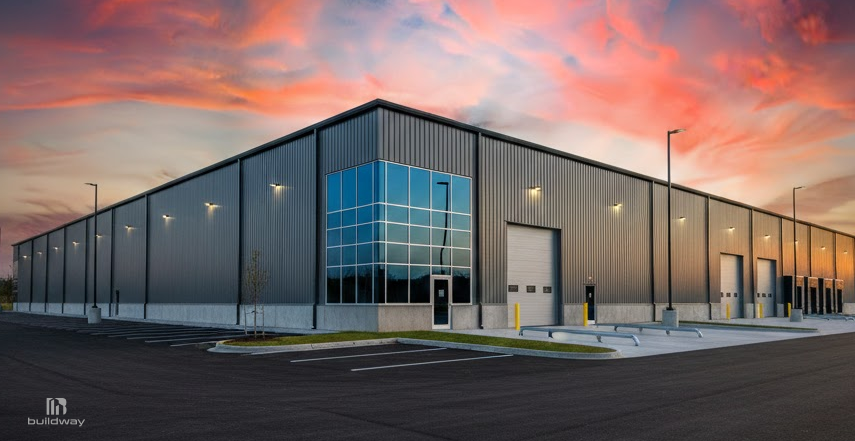
- Many 1950s-era steel warehouses in the U.S. are still operational with original frames intact.
- Minor roof panel replacements and re-coating were the only major updates.
2. Aircraft Hangars (70+ years)
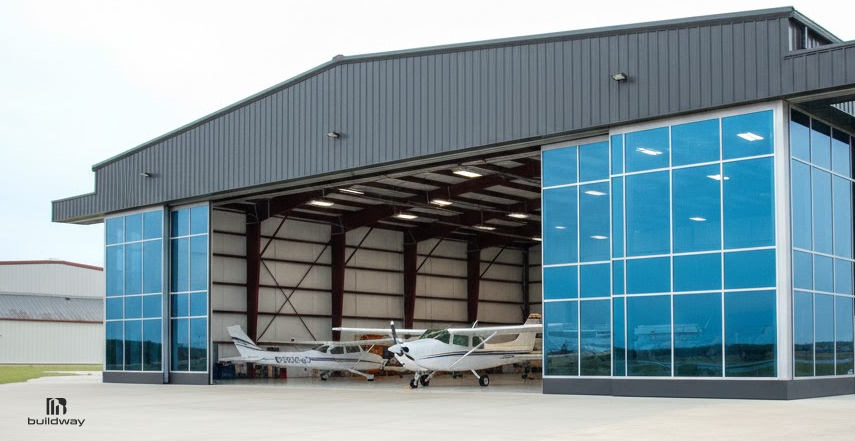
- Steel-framed hangars built during World War II are still in use at military bases and private airfields.
- High-stress environments have not compromised their core frames.
3. Agricultural Storage (50–75+ years)
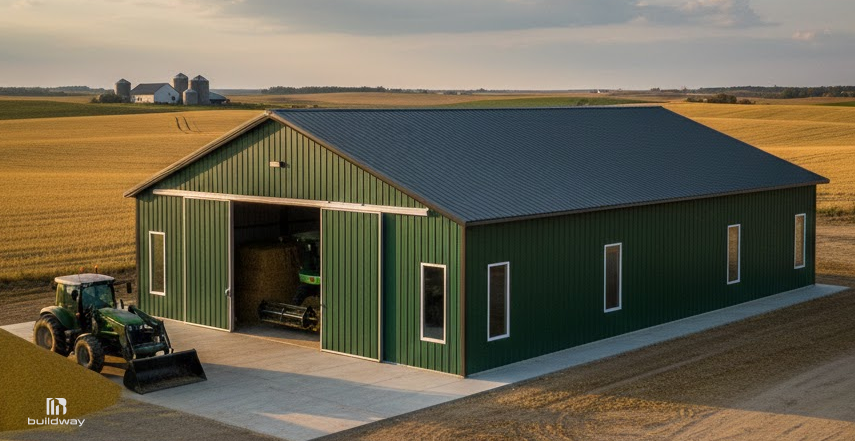
- Rural grain silos and barns built in the mid-20th century still serve farmers today.
- Galvanized steel used in these structures resists pests, mold, and moisture better than wood.
4. Manufacturing Facilities (100+ years)
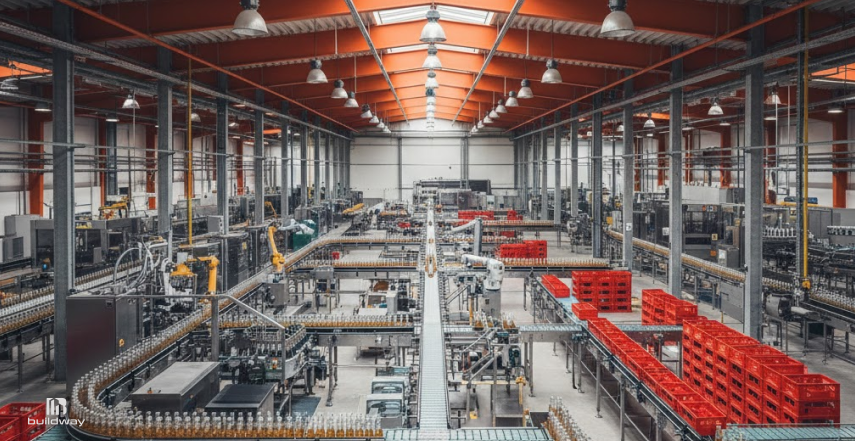
- Some steel-framed industrial buildings in Europe and the U.S. have passed the century mark, thanks to regular upkeep and protective coatings.
What Affects Steel Building Lifespan?
Several critical variables determine steel building lifespan, from environmental exposure to coating systems and maintenance discipline. Steel is built to last, but its actual lifespan depends on more than just the material. Factors like climate, coatings, design quality, and maintenance all influence how long your building will stand. Let’s look at what helps and what harms steel longevity.
Factors That Shorten Lifespan
| Factor | Impact on Lifespan |
| Coastal Salt Exposure | Salt accelerates corrosion on fasteners and frames |
| Poor Drainage Systems | Standing water around base plates leads to rust |
| Lack of Roof Maintenance | Coating failure causes panel leaks and interior damage |
| Unsealed Fasteners | Rusted fasteners can fail and weaken structure |
| Lack of Ventilation | Trapped moisture causes interior rust and condensation |
In most failure cases, it’s not the steel that’s the problem, it’s moisture intrusion and corrosion due to neglect.
Factors That Extend Lifespan
| Factor | How It Helps |
| Galvanization (Z275 coating) | Zinc protects steel from oxygen and moisture |
| Polyester or PVDF Paint Coats | High UV resistance and long-term surface protection |
| Regular Cleaning | Removes corrosive salt, dirt, and bird droppings |
| Annual Inspections | Identifies issues before they worsen |
| Prompt Repairs | Stops localized corrosion from spreading |
Studies from the American Galvanizers Association show galvanized steel in non-industrial atmospheres can last 80–100+ years before major corrosion.
Steel Building Maintenance Checklist
Think of maintenance as your building’s best long-term investment. A small, consistent effort that protects against costly repairs and premature wear. When done right, it can add decades to your building’s lifespan and save you tens of thousands of dollars over time.
Annual & Periodic Maintenance Tasks
| Task | Frequency | Why It Matters |
| Roof & Fastener Inspection | Annually | Prevents leaks and identifies early corrosion |
| Exterior Washing (Power Wash) | 1–2x/year | Removes salt, pollutants, and organic growth |
| Gutter & Downspout Cleaning | 2x/year | Avoids water pooling at the base of the structure |
| Touch-Up Painting or Coating | As Needed | Maintains protective layer against UV and rust |
| Check Sealants & Caulking | Annually | Prevents water intrusion at panel overlaps |
| Inspect Base Plates & Columns | Annually | Checks for hidden rust or water damage |
| Check Ventilation Systems | Annually | Prevents interior condensation and mold |
Download the Full PDF: Steel Building Maintenance Guide. It Includes:
- Full printable checklist
- Maintenance calendar
- Inspection log sheets
- Fastener corrosion spotting guide
Download Now. Or Contact Us Today if you have more questions.
Metal Roof Lifespan: Your Building’s First Line of Defense
Your steel roof is your building’s first line of defense against the elements, taking constant exposure to sun, wind, rain, and snow. Its condition directly affects the performance, durability, and lifespan of the entire structure.
1. Exposed Fastener Roofs
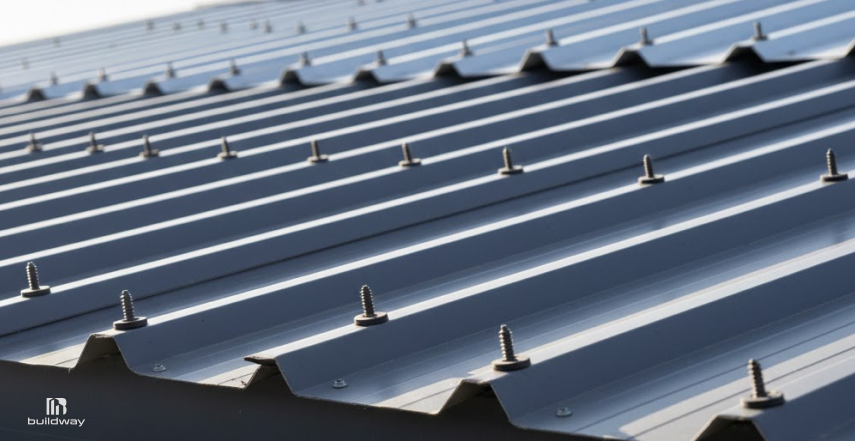
- Lifespan: 30–50 years
- Risk: Screws and gaskets can loosen or degrade over time
- Maintenance Need: Annual fastener checks and resealing
2. Standing Seam Roofs
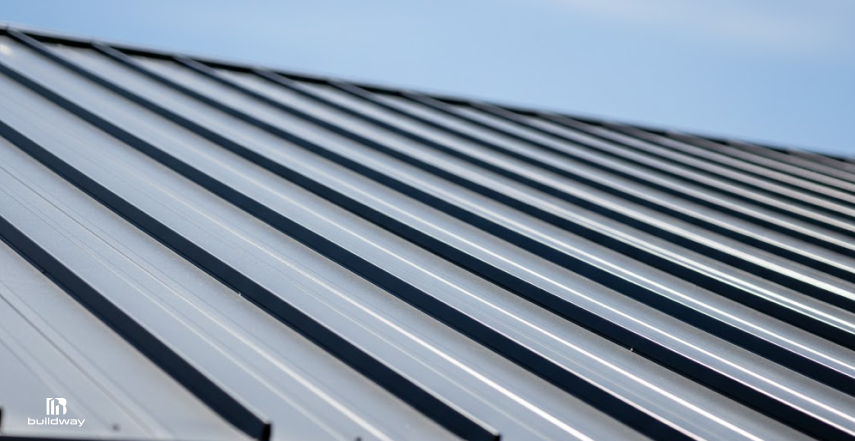
- Lifespan: 50–70+ years
- Advantage: Concealed fasteners = fewer leak paths
- Investment: Higher upfront cost, but longer service life
Recoating vs Roof Replacement
| Recoating | Replacement |
| Every 20–30 years | Every 50–70 years |
| Cost-effective | More expensive upfront |
| Adds 10–20+ years of life | Needed if rust is extensive |
Are Steel Buildings a Smart Long-Term Investment?
In terms of value per year of use, few construction types rival steel. When planned and maintained properly, steel buildings can last over a century with minimal cost compared to wood or concrete alternatives. If you want to maximize steel building lifespan and ensure your structure lasts as long as possible, proactive maintenance is non-optional.
Why Steel is Worth It:

Want Your Steel Building to Last 100+ Years? Download the FREE Steel Building Maintenance Guide. This printable PDF includes:
- Annual maintenance checklist
- Fastener and roof inspection log
- Maintenance timeline
- Tips for preventing rust and roof failure
Get the PDF Now or Request a customized quote.
FAQ’s
1. Do steel buildings rust over time?
Yes, but only if protective coatings are damaged or neglected. Galvanized coatings and modern paint systems prevent rust. Routine maintenance like washing off salt, dirt, and debris, helps stop corrosion before it starts.
2. Can steel buildings last 100 years?
Yes, steel buildings can last 100+ years with proper care. While most are engineered for a minimum of 50 years, many exceed that with good design, weather protection, and ongoing maintenance.
3. Are steel buildings permanent structures?
Yes, steel buildings are permanent and meet standard building codes. They’re widely used in long-term commercial, industrial, and agricultural settings. With proper foundations, they’re as permanent as concrete or masonry.
4. Is steel better than wood for long-term durability?
Yes. Steel lasts significantly longer than wood. Wood can suffer from rot, termites, mold, and warping. Steel resists all of these issues and requires less maintenance over time.
5. Can steel buildings survive in coastal climates?
Yes, if properly designed for coastal exposure. Galvanized steel, stainless steel fasteners, and regular cleaning help protect against salt corrosion. These additions make steel buildings suitable for marine and coastal environments.
6. Do steel buildings require a lot of maintenance?
No, but regular maintenance is key to maximizing lifespan. Steel buildings are low-maintenance, but routine inspections, cleaning, and minor repairs are essential to prevent corrosion and extend durability.
7. What causes steel buildings to fail early?
Neglected maintenance and water exposure are the leading causes. Corrosion from standing water, damaged coatings, and unsealed fasteners can weaken structural elements over time. Most early failures are avoidable.
8. Can I add onto a steel building later?
Yes, steel buildings are highly expandable. Unlike traditional construction, steel structures can be easily modified or expanded with additional bays, roofing, or walls using compatible framing systems.
9. Do steel buildings hold their value over time?
Yes, especially when properly maintained. Due to their durability, low maintenance costs, and long lifespan, steel buildings often retain their resale value better than wood-frame structures.
10. How do I know if my steel building needs repairs?
Look for signs like rust, leaks, loose fasteners, or coating damage. Schedule annual inspections and address issues early. Most problems are inexpensive to fix if caught before they spread.
11. Is insulation important for steel building longevity?
Yes, insulation helps control condensation, which can lead to internal corrosion. Proper insulation and ventilation prevent moisture buildup, especially in humid or cold climates.
12. How long do steel buildings last?