
Industry-wide, sales for U.S. metal building manufacturing including prefab kits totaled $66.7 billion in 2024, reflecting the tremendous growth and demand for steel structures nationwide. Every month, thousands of people in the U.S. order metal building kits for garages, workshops, barns, storage units, and even homes often under the assumption that what arrives is a complete, ready-to-build package.
But when the flatbed truck finally shows up, many first-time buyers are left scratching their heads:
Where are the doors? The foundation? The tools? The instructions?
If you’re exploring prefab or pre-engineered metal buildings (PEMBs), this guide is for you. In this blog post, we’ll understand everything you need to know about what’s actually included in a standard metal building kit and just as importantly, what’s not.
We’ll also give you a practical breakdown of the parts, walk you through how to inspect your delivery, and provide pro tips to help you avoid unexpected costs or delays.
Who can benefit from this blog:
- DIYers, homeowners, or first-time buyers curious about prefab metal buildings
- Anyone preparing to receive or evaluate a building kit delivery
By the end: You’ll know exactly what to expect, how to read your packing list, and how to plan your project with confidence.
Don’t forget to grab our free downloadable checklist to help you organize your delivery and prep site.
What Is a Metal Building Kit?
A metal building kit is a pre-engineered, factory-manufactured package that includes the main structural components needed to assemble a building shell on your prepared foundation.
Think of it like a giant version of flat-pack furniture but instead of a dresser, you’re building a steel structure.
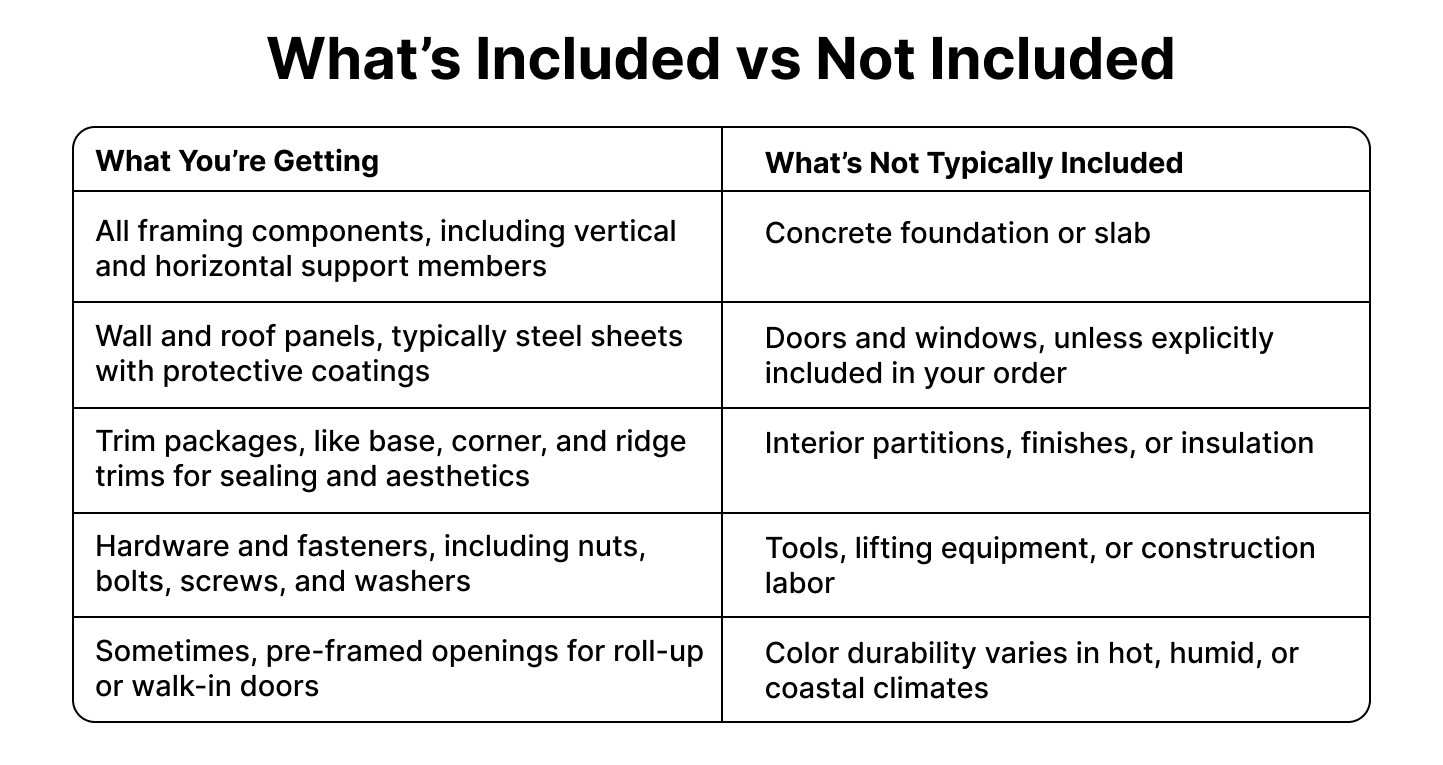
Important: These exclusions allow buyers to tailor their building to their needs and budget. However, they often catch first-time buyers by surprise.
Inside the Box: Core Components of a Metal Building Kit
Once your kit arrives, you’ll find a range of labeled bundles, parts, and boxes. Let’s walk through each major section so you can confidently identify every part during your unboxing.
1. Primary Structural Framing
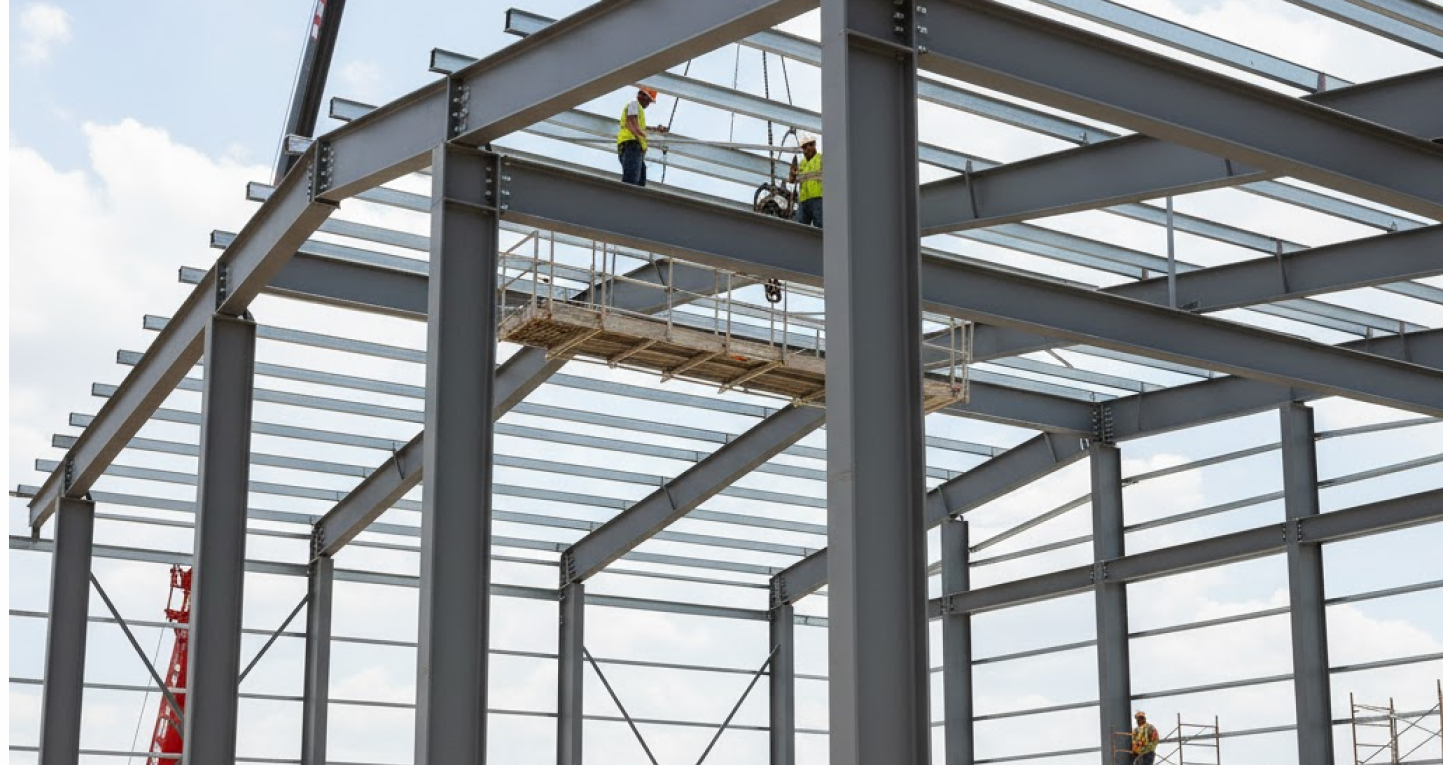
This is the main steel framework that supports the entire structure.
Components include:
- Main frame columns and rafters: These are the vertical and sloped horizontal members that create the building’s structural skeleton.
- End-wall columns and framing: Installed at both ends of the building, providing structural support for the gable walls.
- Base plates and anchor bolts: Used to secure your structure to the concrete foundation.
- Connection hardware: Pre-sized bolts, washers, and plates that join frame members together securely.
Note: These items are typically delivered in bundled pallets, often pre-punched and cut to length.
2. Secondary Framing (Support System)
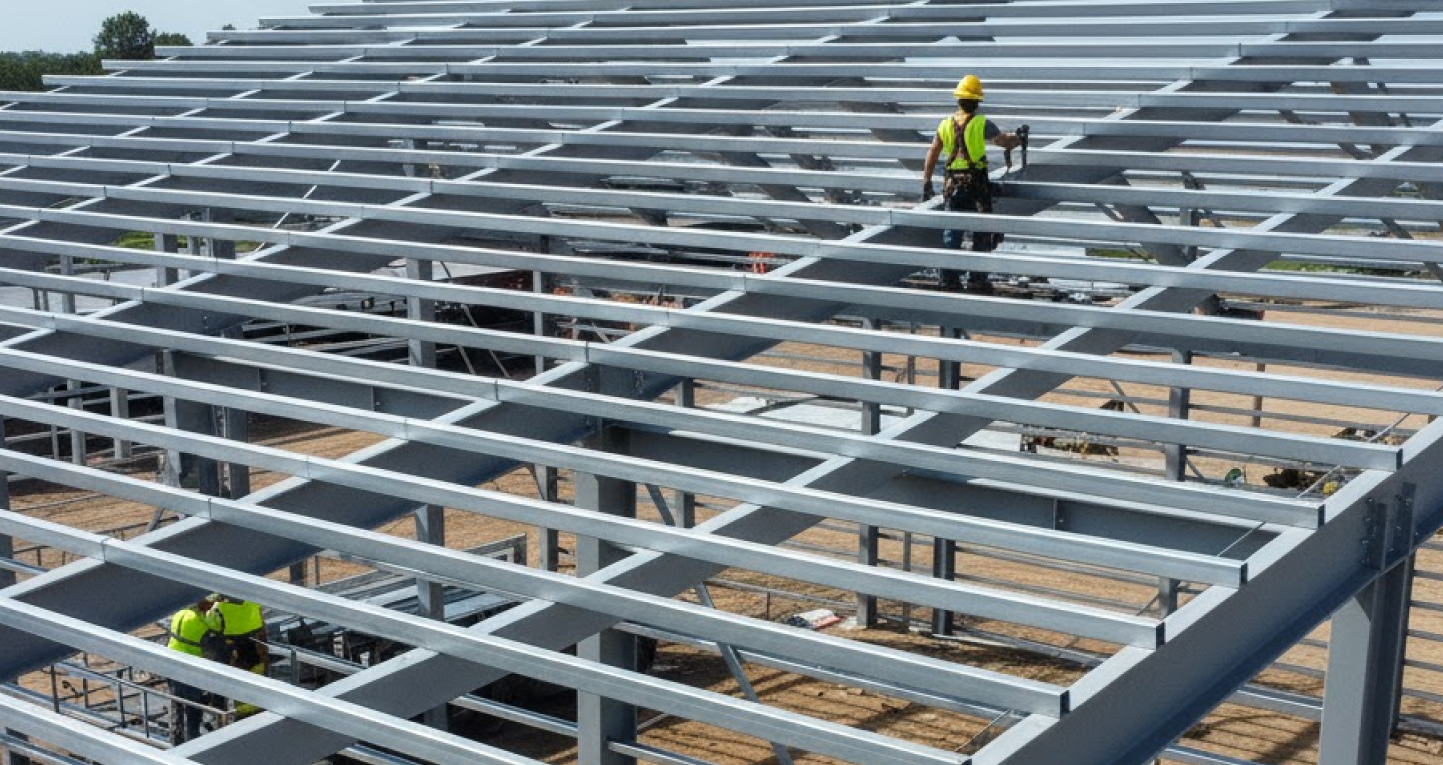
These are the horizontal members that tie your building together, support wall and roof panels, and provide structural integrity.
Key components include:
- Purlins: These run horizontally across the roof, supporting the metal roof panels and helping distribute load.
- Girts: Similar to purlins but installed horizontally along the walls to support wall panels.
- Eave struts: Connect the tops of walls to the roof framing and add edge stability.
- Bracing components: Cross-bracing, rod-bracing, or cable bracing systems that improve resistance to wind and lateral movement.
Pro tip: Purlins and girts are often confused. Remember: purlins = roof support, girts = wall support.
3. Roof and Wall Panels + Trim Package

These are the outer skin of your metal building, the materials that create the walls and roof.
Expect to receive:
- Corrugated roof panels: Steel sheets, often 26 or 29 gauge, cut to length and coated for corrosion resistance.
- Wall panels: Similar to roof panels, with profiles that match your building style or regional wind loads.
- Trim components: Includes ridge caps, base trim, corner trim, rake/eave trim, and drip edges to seal off and protect panel edges.
- Closures and sealants: Foam closures and butyl tape to prevent water or air infiltration at seams and joints.
Organizing Tip: Stack roof and wall panels separately and label bundles by location (e.g., east wall, roof ridge, etc.).
4. Framed Openings, Doors & Accessories
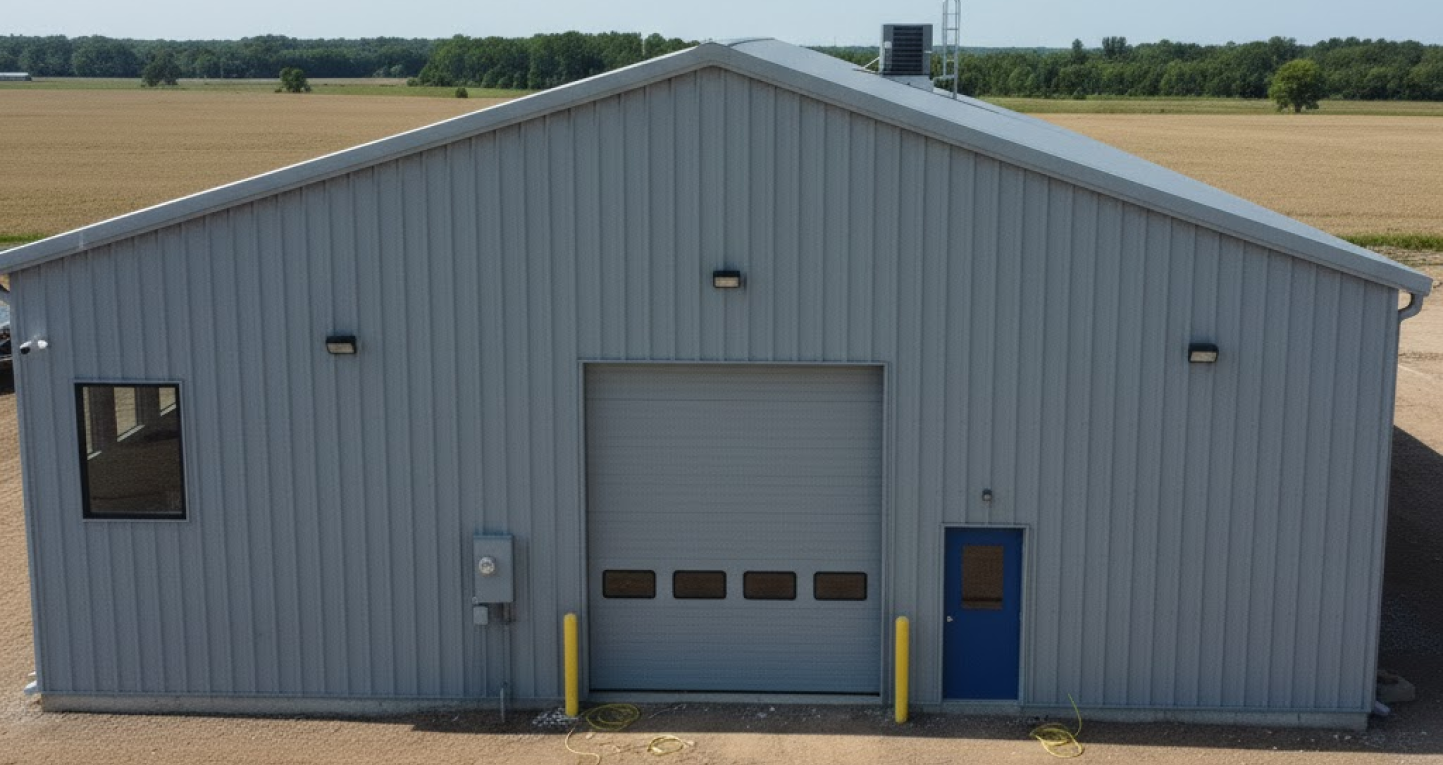
Depending on your order, you may receive:
- Pre-cut header and jamb materials: For roll-up doors, walk doors, and windows
- Trim pieces and flashing: For the edges of openings
Reminder: Actual doors and windows are usually optional. Many buyers are surprised to find these missing. Always confirm what’s included on your invoice or contract.
5. Hardware, Fasteners & Connectors
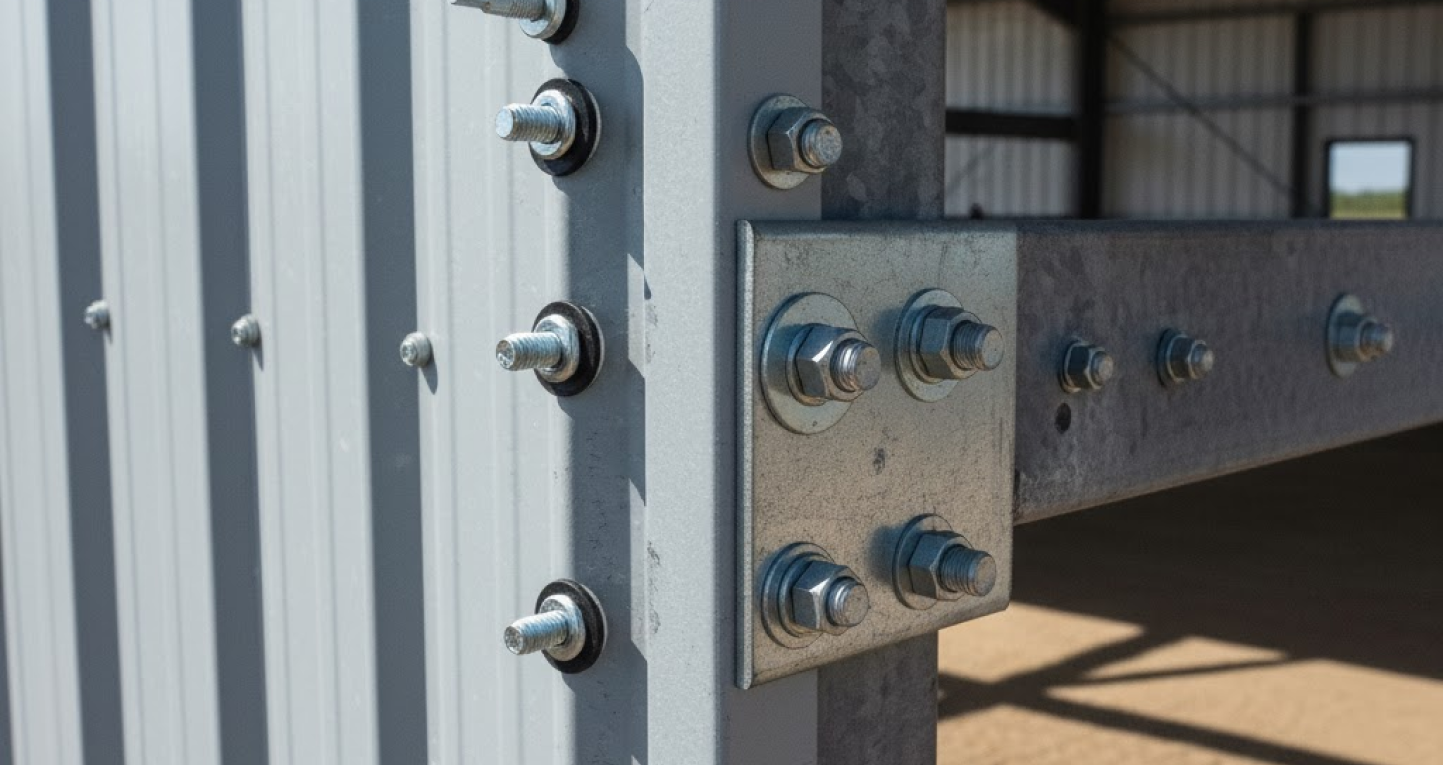
No building kit would be complete without the hundreds (sometimes thousands) of fasteners and attachment tools needed to hold it all together.
Common inclusions:
- Self-drilling screws: For fastening panels to purlins and girts
- Anchor bolts and washers: For base connection to concrete (sometimes these are supplied by your installer)
- Metal clips, flashing, and miscellaneous hardware
- Pre-labeled bags or boxes for organized assembly
Pro Tip: Sort hardware by size and function before beginning installation to avoid confusion during construction.
What’s Not Included in Most Metal Building Kits
While prefab kits provide most of what you need for the building shell, there are some key things that are typically not included and you’ll want to budget and plan for them separately.
Common exclusions:
- Concrete foundation or footings: You’ll need a properly poured slab that matches the anchor bolt layout.
- Insulation or interior partitions: These are considered add-ons and are often selected based on climate, use, or energy needs.
- Doors and windows: Unless you added these to your order, they’re not automatically included.
- Labor and tools: You or your contractor will need to supply the crew, equipment, and tools for assembly.
Tip: Download our free Pre-Purchase Checklist to ensure you’ve accounted for all non-included items.
How to Read and Check Your Kit Delivery List
Your building kit will include a packing list or bill of materials (BOM). This is your roadmap to inventory management and missing parts tracking.
Here’s how to verify your delivery:
- Match all part numbers and quantities against your BOM.
- Group items by section (roof, walls, trim, hardware) to stay organized.
- Check each part for damage or defects before storing.
- Use color-coded tags or tape to identify components if labels are missing.
- Take photos upon delivery to create a record for insurance or warranty purposes.
- Have a forklift or unloading equipment ready for large items and steel bundles.
Unboxing Tip: Store panels off the ground and under cover to prevent rust or warping before construction.
Pro Tips for First-Time Kit Buyers
Before you hit the “buy now” button on your metal building kit, there are some critical steps you should take to avoid unexpected costs, construction delays, or logistical headaches. These are lessons learned from real-world buyers who ran into surprises and now you don’t have to.
Use these expert-backed tips to plan your purchase and delivery the smart way.
1. Get a Complete List of What’s Included and What’s Not
Before placing your order, request a detailed quote or contract that clearly outlines:
- All included structural components (frames, panels, hardware, trim)
- Optional upgrades (doors, windows, insulation, thicker panels)
- Exclusions (foundation, interior finishes, erection labor, etc.)
Why it matters: Many first-time buyers assume everything is included, only to discover later that they need to purchase doors, insulation, or even key structural components separately.
Pro tip: Ask your supplier: “Can you itemize what’s included vs what’s optional?”
2. Coordinate the Foundation Plan with the Anchor Bolt Layout
Your steel building must be anchored securely to a concrete slab or footing. That means your foundation plan must match the anchor bolt diagram provided by the manufacturer.
- Review your engineering drawings carefully.
- Share the anchor bolt layout with your concrete contractor before pouring.
- Double-check bolt placement, spacing, and embed depth.
Mistake to avoid: Misplaced anchor bolts can delay your project or require costly rework of the slab.
3. Plan Ahead for Delivery, Unloading, and Storage
A steel building kit isn’t delivered in neat boxes. It arrives in bundled steel components on a flatbed truck, and it’s your responsibility to unload and store it properly.
Before the truck arrives:
- Arrange for a forklift or crane to unload large steel members.
- Clear a dry, accessible space on your site for unloading and sorting parts.
- Designate an area where different components can be grouped (e.g., panels, purlins, hardware).
Pro tip: Document the delivery with photos as you unload. This helps in case of missing or damaged parts.
4. Create an Inventory Checklist and Verify Immediately
Once the kit arrives, use the packing list or bill of materials (BOM) to verify every part. Create a checklist and mark each component as you inspect.
Check for:
- Missing items
- Shipping damage
- Proper labeling
- Pre-punched holes and correct lengths
Pro tip: Inventory your kit the same day it arrives and report any discrepancies to your supplier immediately.
5. Protect Materials from Weather and Damage
Steel components can rust, warp, or degrade if stored improperly, especially if left exposed to the elements.
To protect your kit:
- Store steel off the ground using pallets or spacers.
- Cover materials with tarps or breathable wraps (avoid trapping condensation).
- Keep hardware in sealed, labeled containers.
Pro tip: If your kit will be sitting for more than a few days before assembly, invest in temporary weather protection.
6. Download and Use a Pre-Purchase Buyer’s Checklist
Even experienced builders can overlook key steps. Use a printable checklist to stay on track during planning, ordering, and delivery.
Grab your free Buyer’s Pre-Order Checklist. It includes:
- Questions to ask your supplier
- Site prep reminders
- Inspection & inventory tips
- Delivery and unloading prep
- Foundation coordination checklist
Preparation is the key to a smooth and stress-free metal building experience. By asking the right questions, coordinating your site properly, and staying organized during delivery, you’ll avoid the most common mistakes made by first-time buyers.
Bonus Tip: Keep a project notebook or digital folder where you store all documents, specs, drawings, photos, and notes. This can be invaluable if issues arise during or after the build.
Plan it right from day one. Talk to Buildway about your building kit.
Summary & Key Takeaways
- A metal building kit is a pre-engineered shell system designed for on-site assembly.
- Your kit includes the framing, panels, trim, and hardware but it does not include the slab, insulation, or interior finishes.
- Understanding what’s included vs excluded helps you budget wisely, plan your build, and avoid delays.
- Always review your packing list, check deliveries, and ask questions before ordering.
Want a clear checklist of everything your kit should include? Download our Free Metal Building Kit Delivery Checklist and stay in control of your project from day one.
Ready to take the next step? Let Buildway help you plan your steel building project the right way from design to delivery.
Visit our website or Call us at +1(855) 944-1515 to get started and avoid the first-time mistakes most buyers make.
FAQs: Common Questions from First-Time Buyers
1. Do steel building kits include insulation?
No, most standard steel building kits do not include insulation. Insulation is typically considered an optional upgrade. Depending on your climate and building usage, you can choose from various insulation types such as fiberglass batts, spray foam, or reflective radiant barriers. If energy efficiency or condensation control is important for your project, be sure to request insulation as an add-on during the quoting process.
2. Do prefab metal building kits come with a concrete slab?
No, metal building kits do not come with a concrete slab. You are responsible for preparing the foundation before your building is erected. This usually involves pouring a reinforced concrete slab or footings, depending on your location, soil conditions, and building design. It’s important that your anchor bolt layout matches the engineering drawings provided with your kit to ensure proper fit and stability.
3. Can I customize what comes in my metal building kit?
Yes, most metal building kits are highly customizable. Suppliers typically offer a range of add-on options that allow you to tailor your building to your exact needs. These may include:
- Windows and doors (roll-up, walk-in, or custom)
- Color and panel upgrades
- Thicker steel panel gauges
- Insulation packages
- Additional trim and aesthetic features
Be sure to request a detailed quote that lists all inclusions and optional upgrades.
4. What should I do if a part is missing from my steel building kit?
If a part is missing from your metal building kit, contact your supplier immediately. Use your packing list or bill of materials to verify the missing item, and document your delivery with clear photos of the received materials. Reputable suppliers will typically replace missing parts quickly once the issue is confirmed. It’s a good practice to do a full inventory check as soon as your kit arrives to avoid delays in construction.